
Acupuncture and osteopathy: two approaches that complement each other
One uses the hands, the other very fine needles. Osteopathy and acupuncture have different histories and different ways of thinking, but they share the same attention to the person as a whole. At the practice, Jean-Laurent Barbier is both an osteopath and an acupuncturist. Here is what sets these two approaches apart, how they can complement each other and the precautions you should know about.
Two approaches, two ways of thinking
Osteopathy, a manual approach
Osteopathy is a manual therapy. The practitioner uses their hands to assess how well the joints, muscles and other tissues move, then applies a range of techniques: mobilisations, stretches, gentle pressure or manipulations. It aims to improve mobility and to ease certain kinds of pain, particularly in the back, the neck or the joints.
Acupuncture, rooted in Chinese medicine
Acupuncture is part of traditional Chinese medicine. It involves placing very fine needles at specific points on the body. According to Chinese tradition, these points lie on pathways called meridians, along which energy is said to flow. These traditional concepts do not correspond to the notions of Western medicine, and scientific research on acupuncture is ongoing.
Neither discipline stands in opposition to medicine. Both are practised alongside the care of your GP, never instead of it.
How an acupuncture session works
The session begins with a detailed conversation: your symptoms and their history, your sleep, your digestion, your stress levels and any treatment you are currently taking. In Chinese medicine, the assessment traditionally also includes looking at the tongue and taking the pulses.
The practitioner then inserts the needles. They are sterile, single-use and thrown away after the session. They are also much finer than a needle used to take blood. Inserting them causes at most a brief prick, sometimes followed by a feeling of heaviness, warmth or tingling around the point. The needles stay in place while you rest, and are then removed.
After the session, a small spot of bleeding, a slight bruise or temporary tiredness may appear. These effects are generally harmless. Let us know about any unusual effect.
Why combine the two approaches?
Osteopathy works mainly through movement and touch. Acupuncture offers another route, based on points spread across the whole body. When persistent pain comes with stress, tiredness or disturbed sleep, having both approaches available widens the options.
A practitioner trained in both disciplines can offer one or the other, or combine them over the course of your care, depending on what seems best suited to your situation and on your preferences. Some people do not like needles; others do not want manipulations. There is no right or wrong answer: the decision is made with you.
People often come for:
- back or neck pain that lingers;
- tension headaches, which we discuss in the article tension headaches, when your neck hurts;
- muscle tension linked to stress;
- disturbed sleep or persistent tiredness, once a medical check-up has been done.
These reasons for coming are not promises. Results vary from one person to another, and neither osteopathy nor acupuncture treats serious illness.
Precautions before an acupuncture session
Always tell the practitioner about:
- anticoagulant (blood-thinning) treatment or a blood clotting disorder;
- a pregnancy, current or possible, as certain points are then avoided;
- diabetes, fragile skin or a weakened immune system;
- a pacemaker or any other implanted device;
- a tendency to feel faint or a fear of needles.
Avoid coming on an empty stomach and eat lightly before the session. Acupuncture does not replace medical treatment: never stop taking a medication without your doctor's advice.
When to see a doctor first
Acupuncture and osteopathy do not replace medical advice. See your GP first if you have:
- fever, unexplained weight loss or severe tiredness that is setting in;
- new, intense pain that wakes you at night or does not ease with rest;
- loss of strength, numbness, or bladder or bowel problems;
- pain following a fall or an accident;
- an unusual headache that is getting worse or comes with problems with your vision or speech.
Call 144, the emergency number, if you have chest pain, difficulty breathing, a sudden and severe headache or sudden paralysis.
What the practice offers
Jean-Laurent Barbier graduated from the Ecole Suisse d'Ostéopathie and the Shao Yang school of acupuncture. You will find his introduction on Jean-Laurent Barbier's profile page, and the place of acupuncture at the practice on the page acupuncture in Lausanne.
At your first appointment, explain what brings you in and what you are hoping for. If you are unsure whether to choose osteopathy or acupuncture, say so: that is exactly what the conversation is for. For lower back pain, our article back pain, when to see an osteopath offers further guidance. You can book an appointment online or by phone.
Frequently asked questions
Does acupuncture hurt?
Inserting the needles usually causes a brief sensation, similar to a small prick, and sometimes nothing at all. A feeling of heaviness or tingling around the point is common. If a needle is uncomfortable, say so: it can be adjusted or removed.
Do I have to believe in Chinese medicine to come?
No. You can come with your questions, and even with your doubts. The practitioner explains how they work, and you remain free to choose the approach that suits you.
Can I have acupuncture during pregnancy?
Always mention your pregnancy, even at an early stage. The practitioner will then adapt the session or may advise against it. Talk to your midwife or gynaecologist about it too.
Is acupuncture covered by health insurance?
When it is practised by a therapist who is not a doctor, acupuncture generally falls under supplementary insurance (LCA), the optional top-up cover, depending on your policy. All members of our team are recognised by supplementary health insurers, but cover for each method depends on your policy. Check with your health insurer.
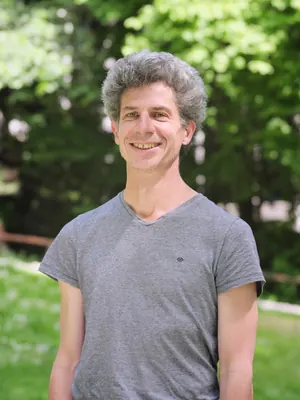
Written by Jean-Laurent Barbier, osteopath / acupuncturist at Georgette Ostéopathie. Graduate of the Ecole Suisse d'Ostéopathie and of the Shao Yang school of acupuncture.
Book an appointment
Request an appointment online in a few clicks, or call us on 021 320 45 05, Monday to Friday, 8 am to 6.30 pm.
Prefer to pick a free slot yourself? See availability on OneDoc
Further reading
Back pain: when should you see an osteopath?
Is your back hurting, or does the pain keep coming back? Find out when to see an osteopath, and when to see a doctor first.
Matthieu Chappot · 6 min read
Lumbago: what to do in the first 48 hours?
Has your back suddenly seized up? Positions, gentle movements and warning signs to get you through the first two days of lumbago.
Alessandro Ponzo · 6 min read